Absorption Chillers and Vapor Compression Chillers

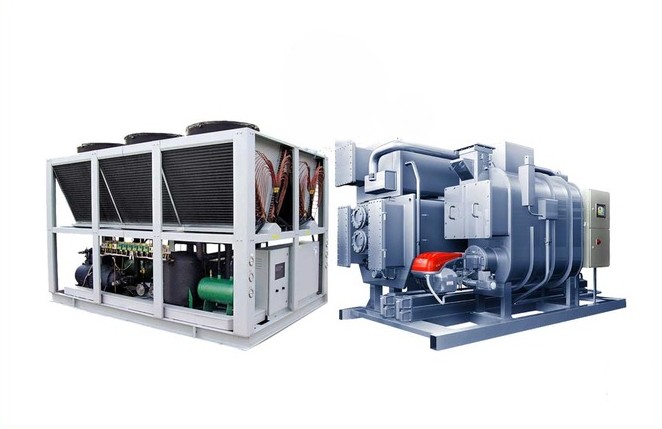
Absorption Chillers and Vapor Compression Chillers

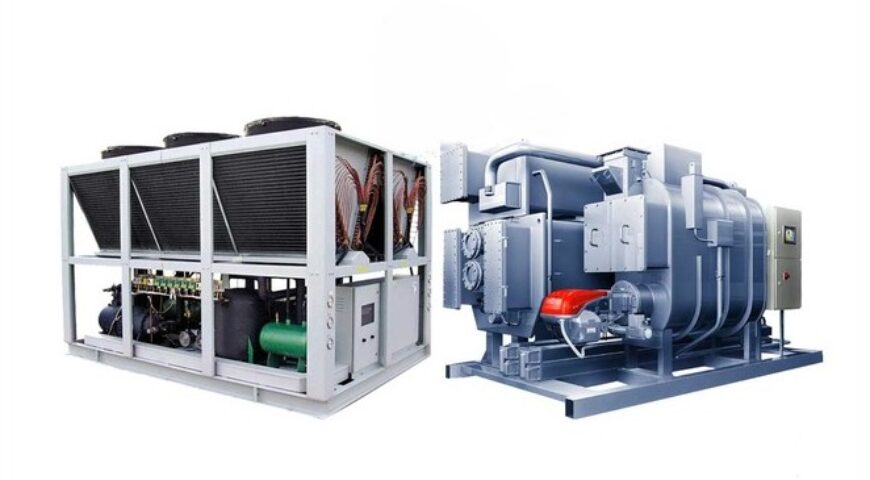
Introduction Absorption Chillers and Vapor Compression Chillers are two widely used technologies. While both serve the purpose of cooling, their working principles, energy sources, efficiency, and applications differ significantly. Absorption chillers utilize heat energy to drive the cooling process, making them ideal for facilities with access to waste heat or renewable energy sources. In contrast, […]

Read more

Graphene-Coated Tubes

Introduction Graphene-Coated Tubes have emerged as a groundbreaking innovation in heat exchanger technology. Graphene, a single layer of carbon atoms arranged in a hexagonal lattice, is known for its exceptional thermal conductivity, mechanical strength, corrosion resistance, and anti-fouling properties. By coating heat exchanger tubes with graphene, industries can significantly enhance heat transfer efficiency, reduce energy […]

Read more
Zero Leak Exchangers

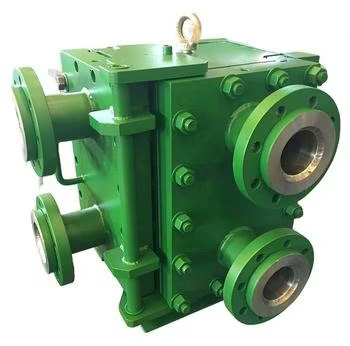
Zero Leak Exchangers

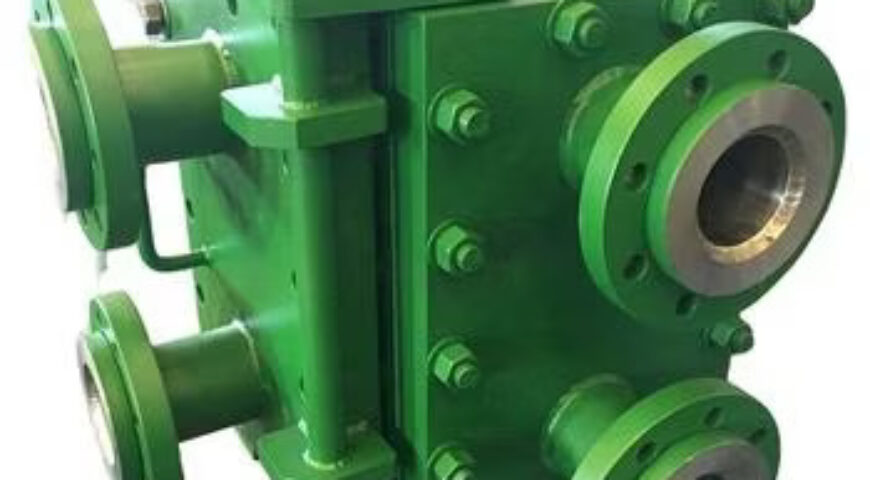
Introduction Zero Leak Exchangers have been developed, incorporating advanced sealing mechanisms, high-integrity welding, and cutting-edge material technology to ensure absolute fluid separation. These exchangers eliminate the risk of leakage, making them ideal for applications where safety, purity, and reliability are non-negotiable. They offer enhanced durability, corrosion resistance, and high-pressure handling capabilities, setting a new benchmark […]

Read more
Advanced Plate Heat Exchangers

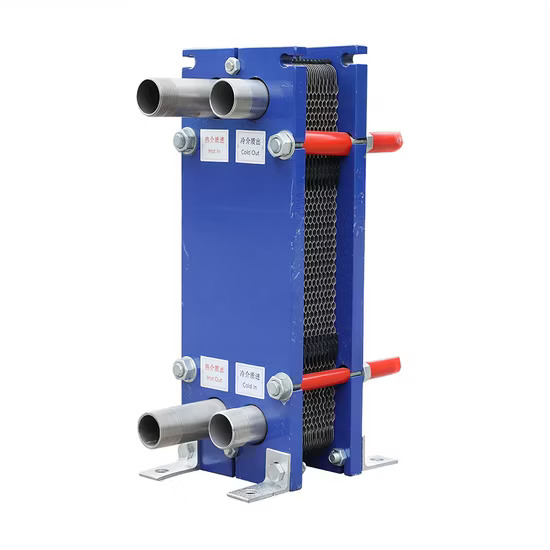
Advanced Plate Heat Exchangers

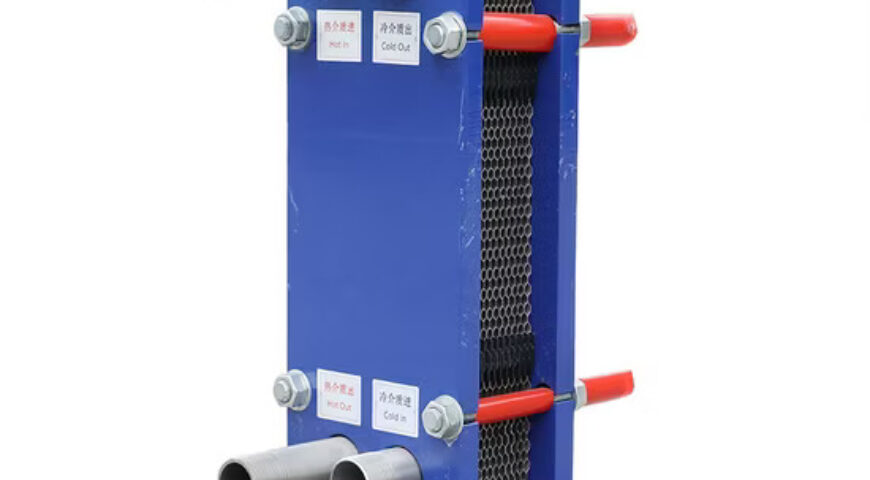
Introduction Advanced Plate Heat Exchangers (PHEs) are highly efficient and compact devices used to transfer heat between two fluids without mixing them. These heat exchangers consist of multiple thin plates stacked together, creating separate channels for hot and cold fluids to pass through. The corrugated plate design enhances turbulence, improving heat transfer efficiency while maintaining […]

Read more
Thermal Load Balancing

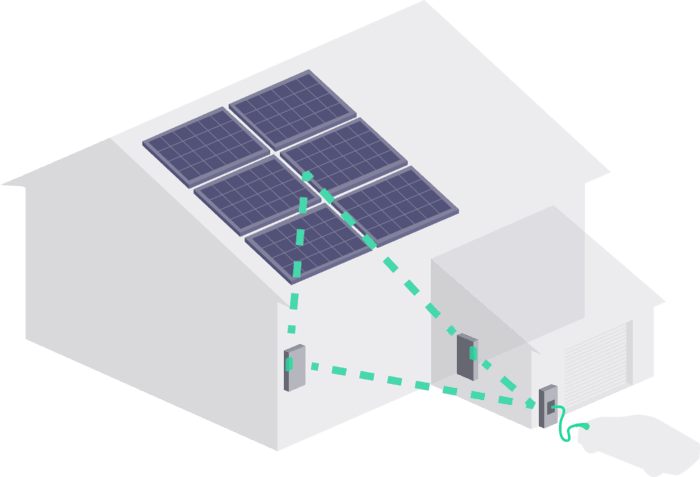
Thermal Load Balancing

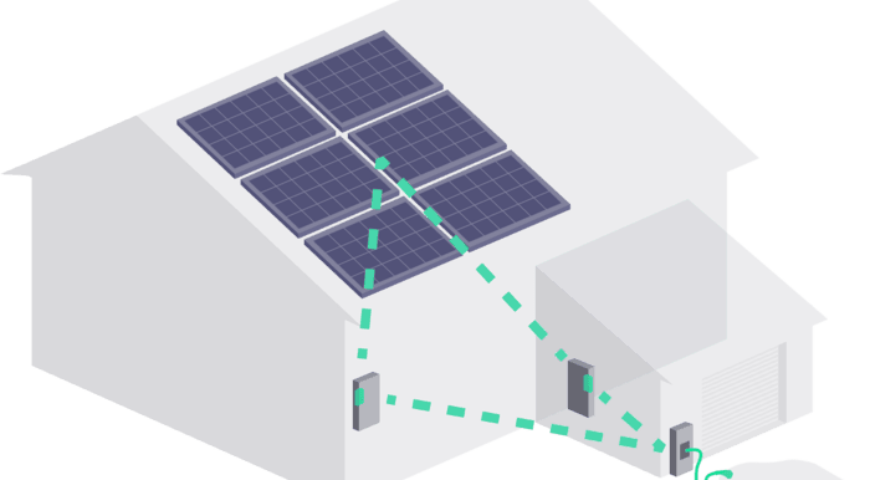
Introduction Thermal load balancing is a fundamental aspect of efficient heat management, ensuring that heat loads are evenly distributed across cooling systems to prevent localized overheating and operational inefficiencies. In industries such as manufacturing, HVAC, data centers, and renewable energy, unbalanced thermal loads can lead to excessive energy consumption, equipment failures, and costly maintenance. By […]

Read more
Industrial Cooling Towers

Industrial Cooling Towers

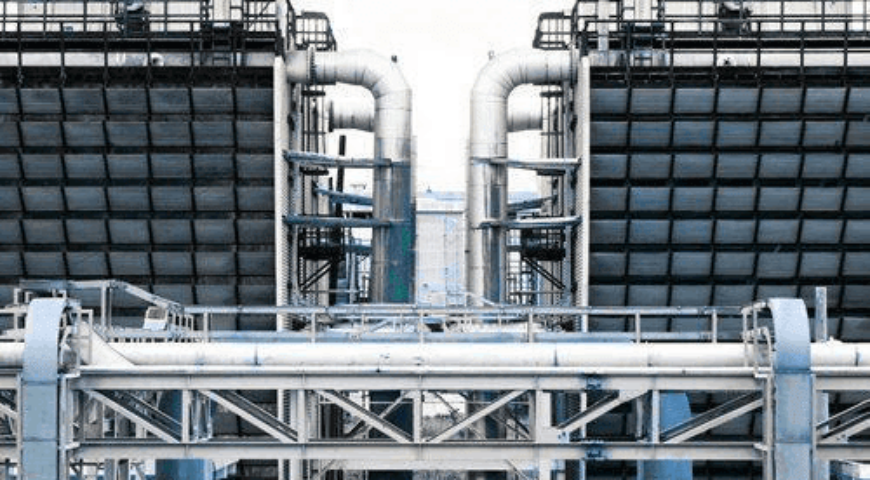
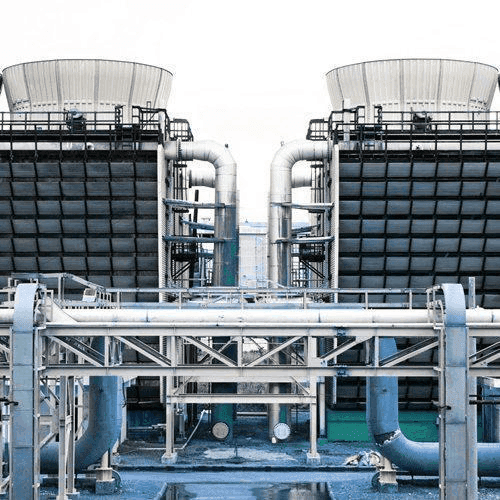
Introduction Industrial cooling towers are essential heat dissipation systems widely used across various industries to regulate temperatures and maintain operational efficiency. These cooling systems remove excess heat generated during industrial processes, preventing equipment from overheating and ensuring optimal performance. Without effective cooling mechanisms, industries such as power generation, chemical processing, manufacturing, and HVAC systems would […]

Read more