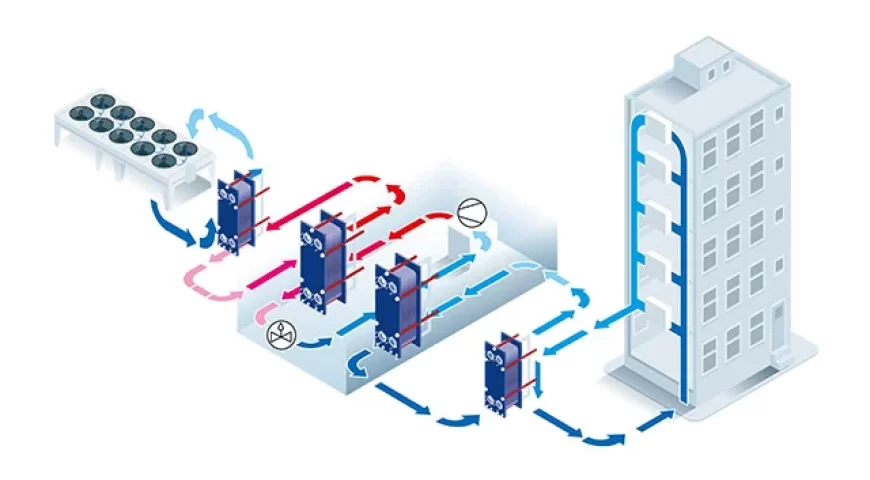
Evaporative Cooling for District Cooling Systems

Evaporative Cooling for District Cooling Systems

Introduction As urban populations grow and temperatures rise, cities face increasing demand for efficient and sustainable cooling solutions. District cooling systems, which provide centralized cooling to multiple buildings, are gaining traction as a way to meet this demand. Among the most energy-efficient and eco-friendly methods being integrated into these systems is evaporative cooling. By harnessing […]

Read more
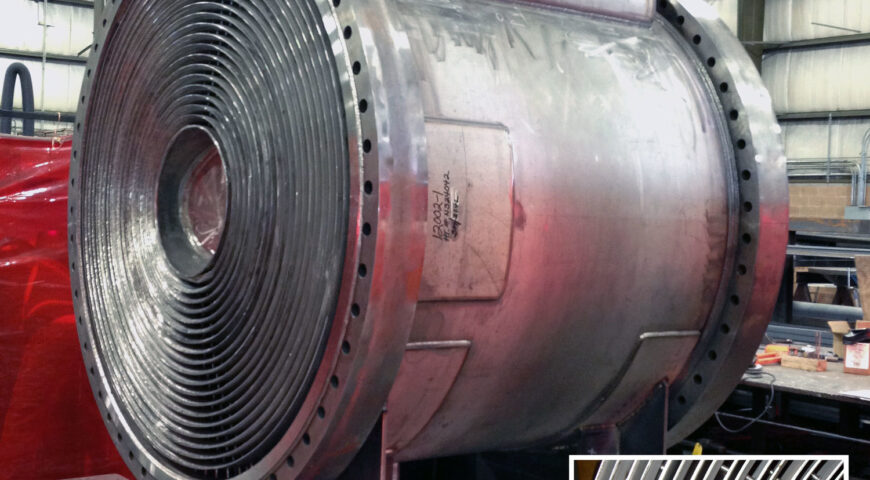
Evolution of Spiral Heat Exchangers in Compact System Designs

Evolution of Spiral Heat Exchangers in Compact System Designs

Introduction The evolution of spiral heat exchangers has been pivotal in advancing compact and efficient thermal management solutions across various industries. Originally developed to overcome limitations like fouling and inefficiency in traditional designs, spiral heat exchangers have become essential components in modern, space-conscious systems. Their unique spiral configuration enables high heat transfer efficiency within a […]

Read more
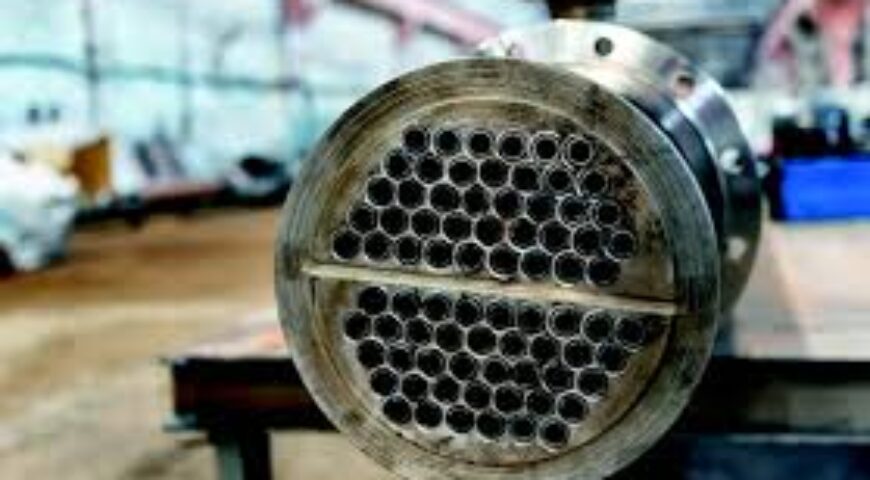
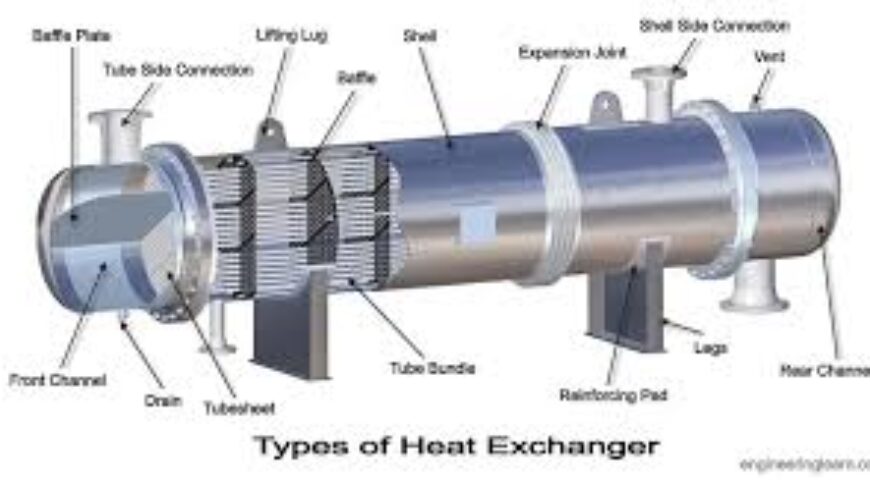
Importance of Choosing Compatible Tube Bundles in Heat Exchanger Maintenance

Importance of Choosing Compatible Tube Bundles in Heat Exchanger Maintenance

Introduction In heat exchanger systems, selecting compatible tube bundles is a critical decision that directly impacts performance, maintenance, and longevity. Tube bundles are the core component where heat transfer between fluids occurs, making their material compatibility and design essential to the unit’s overall function. When tube bundles are matched to the specific operating conditions—such as […]

Read more
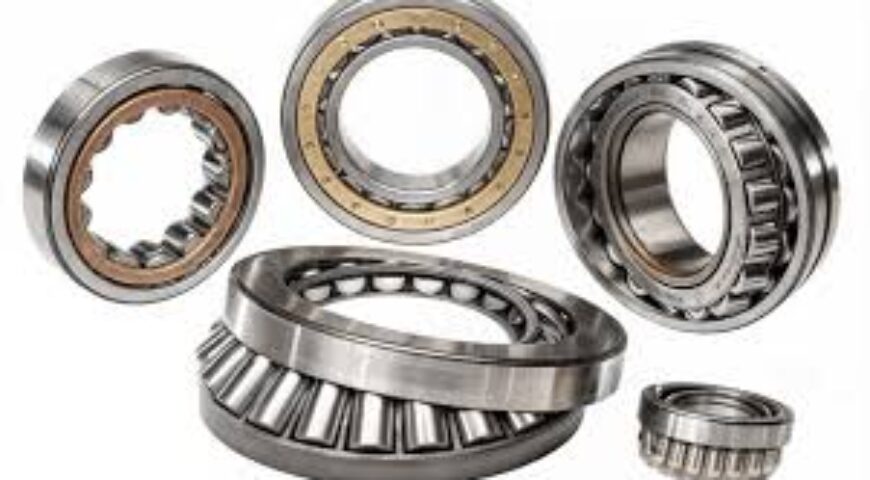
Advanced Bearings and Lubricants: Boosting Cooling Tower Fan Efficiency

Advanced Bearings and Lubricants: Boosting Cooling Tower Fan Efficiency

Introduction In industrial cooling towers, fan efficiency is a critical factor that directly impacts the cooling system’s performance, energy consumption, and maintenance costs. The effectiveness of a cooling tower fan depends not only on its design but also on the quality of its internal components, especially bearings and lubricants. Traditional bearings and lubricants, though functional, […]

Read more

Exploring Vapor Compression vs. Absorption Chillers

Introduction Each operates on a distinct principle, suited to specific energy sources and cooling requirements. Vapor compression chillers, the most common, rely on mechanical compression to circulate refrigerants and cool spaces efficiently, driven by electrical energy. Absorption chillers, on the other hand, utilize thermal energy sources—such as waste heat, natural gas, or even solar power—to […]

Read more