

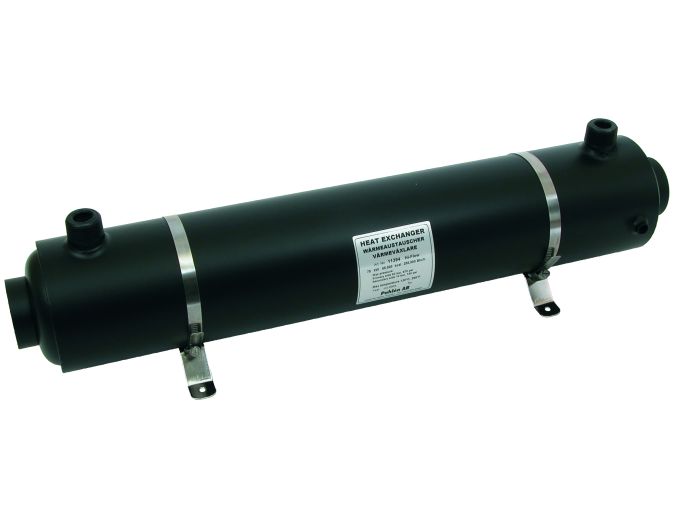
HF resistant heat exchangers are specialized thermal transfer units engineered to safely handle hydrofluoric acid (HF)—a highly corrosive, toxic, and reactive chemical used in refining, semiconductor, pharmaceutical, and fluorochemical industries. Because HF aggressively attacks glass, most metals, and even certain plastics, it poses an enormous risk to standard process equipment. Improper handling can lead to rapid material failure, system shutdowns, product contamination, and serious safety hazards.
As HF is used in both liquid and vapor forms, often at elevated pressures and temperatures, heat exchangers exposed to this medium must be built from ultra-resistant alloys, fluoropolymer linings, or graphite structures, while maintaining the ability to efficiently transfer heat between process fluids. In short, HF resistant heat exchangers are not just products—they are mission-critical components that enable safe, reliable, and efficient operations in hazardous chemical environments.
Why Standard Heat Exchangers Fail in HF Environments
Hydrofluoric acid is unique among industrial acids because:
- It penetrates and destroys metal oxide layers, even those of corrosion-resistant alloys.
- It reacts violently with silica, carbonates, and hydroxides, making it incompatible with common construction materials like stainless steel, carbon steel, and glass.
- It forms volatile compounds under heat, posing both corrosive and flammable risks.
Therefore, even high-alloy exchangers like 316L or titanium may not be enough in HF-intensive processes. Only a select group of exotic materials and non-metallic linings can ensure long-term safety and operational efficiency.
Materials Used in HF Resistant Heat Exchangers
Monel Alloys (Nickel-Copper)
- Excellent resistance to HF in both aqueous and anhydrous forms.
- Withstands high pressures and temperatures up to 400°C.
- Used in shell & tube exchangers, condensers, and reboilers in HF alkylation units.
Hastelloy C-22 / C-276
- Offers resistance to HF mixed with other halides, chlorides, or oxidizers.
- Suitable for complex multi-phase HF-containing processes.
- Very stable under wide pH ranges and thermal shock.
Tantalum (Pure or Clad)
- Nearly impervious to HF corrosion.
- Often used as liner for tubes or tube sheets in extreme acid environments.
- Ideal for semiconductor-grade HF, where purity is critical.
Graphite (Impervious Type)
- Offers non-metallic, high-surface-area solution for HF gases and vapors.
- Excellent for scrubbing, condensing, or absorption applications.
- Resistant to thermal cycling, low cost relative to tantalum.
Compliance and Safety Considerations
- Hydrofluoric acid is highly toxic and penetrates skin upon contact.
- Equipment handling HF must meet:
- ASME Section VIII & B31.3
- API 660 or API 661
- NFPA and OSHA safety guidelines
- Safety features include:
- Leak detection systems
- Pressure relief valves
- Secondary containment vessels
- Explosion-proof enclosures (for HF vapors)
Real-World Example: HF Alkylation Recovery System
Plant Type: Petroleum Refinery – Gujarat, India
Challenge: Severe corrosion in stainless steel shell-and-tube unit used for HF vapor cooling
Solution: Replaced with Monel 400 shell and Tantalum-clad tube bundle
Outcome:
- 3X increase in service life
- Eliminated emergency shutdowns due to corrosion
- Improved HF recovery rate by 22%
- ROI achieved within 8 months due to avoided failures
Safety & Compliance Considerations
HF is highly toxic and dangerous. HF-resistant heat exchangers are built in compliance with:
- ASME Section VIII & B31.3
- API 660 (for refinery units)
- ISO 9001 & 14001 (for fabrication and environmental safety)
- Leak detection and containment systems
- Explosion-proof rating (for installations in HF vapor zones)
HF resistant heat exchangers are essential for modern industries where hydrofluoric acid is part of the core process stream. Due to the high toxicity, volatility, and corrosive behavior of HF, only the most advanced materials and precise engineering solutions can guarantee safe operation, long equipment life, and minimal downtime.
Whether you’re managing HF alkylation in a refinery, etching wafers in a chip plant, or producing refrigerants, investing in an HF-compatible heat exchanger is a strategic decision that protects your equipment, people, and process integrity. With options in Monel, Hastelloy, graphite, PTFE, and tantalum, there is a solution for every pressure, flow, and budget scenario. Partnering with a reliable manufacturer ensures custom-built solutions tailored to your chemical environment, regulatory needs, and lifecycle expectations.