Marine Grade Heat Exchangers

Marine Grade Heat Exchangers

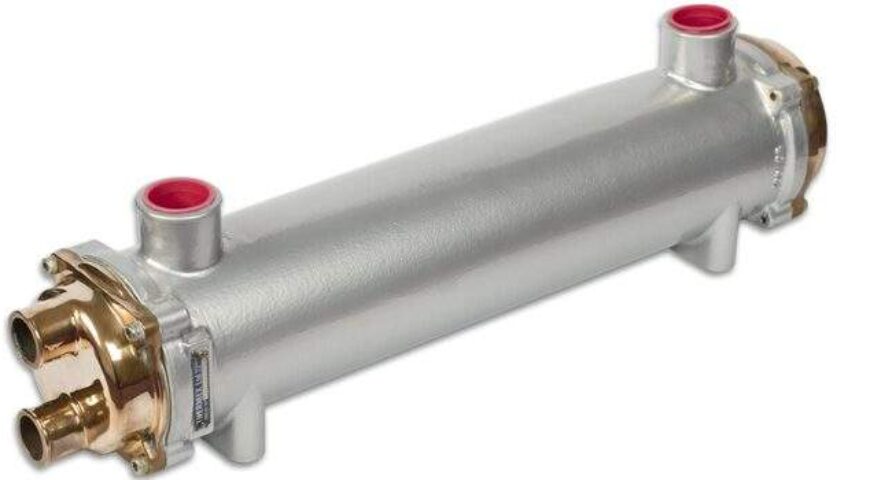
Introduction Marine grade heat exchangers are specially engineered devices designed to facilitate efficient heat transfer between fluids while resisting the harsh corrosive effects of seawater and marine atmospheres. Whether cooling powerful ship engines, desalinating seawater, or managing HVAC systems onboard, these heat exchangers play a vital role in ensuring system stability, safety, and performance. Unlike […]

Read more
Nickel Alloy Heat Exchangers

Nickel Alloy Heat Exchangers

Introduction Nickel alloy heat exchangers is a type of heat exchanger constructed using high-performance nickel-based alloys, known for their remarkable resistance to heat, corrosion, and mechanical stress. These heat exchangers are engineered to withstand aggressive operating conditions involving corrosive fluids, high pressures, and extreme temperatures where traditional materials like stainless steel or carbon steel degrade […]

Read more
Hydrochloric Acid Heat Exchangers

Hydrochloric Acid Heat Exchangers

Introduction Hydrochloric Acid Heat Exchangers is a highly specialized industrial device designed to transfer heat between fluids when at least one of the fluids is hydrochloric acid (HCl). Hydrochloric acid is a highly aggressive and corrosive substance, especially when heated or concentrated, making conventional heat exchangers unsuitable for these duties. The exchanger ensures that hydrochloric […]

Read more
Acid Handling Heat Exchangers

Acid Handling Heat Exchangers

Introduction Acid Handling Heat Exchangers is a specialized thermal equipment designed to facilitate heat transfer in processes involving highly corrosive acidic fluids, such as sulfuric acid, hydrochloric acid, nitric acid, and phosphoric acid. Unlike standard exchangers, these units are engineered using special corrosion-resistant materials, intricate sealing systems, and tailored geometries to operate reliably in harsh […]

Read more
Electroplating Heat Exchangers

Electroplating Heat Exchangers

Introduction Electroplating heat exchangers is a vital component used in electroplating systems to regulate the temperature of the chemical bath. In electroplating, maintaining a specific temperature range is critical for achieving consistent deposition of metal on the substrate. A heat exchanger helps either heat or cool the electroplating solution depending on process requirements. Without proper […]

Read more