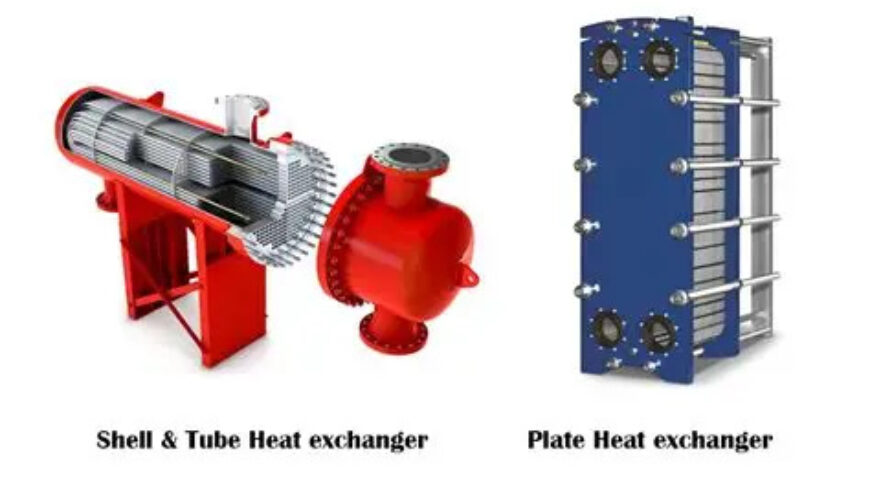
Difference between Plate and Shell & Tube Heat Exchangers

Difference between Plate and Shell & Tube Heat Exchangers

Plate vs. Shell & Tube Heat Exchangers: Choosing the Right Industrial Workhorse Selecting the correct heat exchanger is critical for maximizing efficiency and minimizing operational costs in industrial processes. The two most common designs are the Plate Heat Exchanger (PHE) and the Shell and Tube Heat Exchanger (S&T HE), each offering distinct advantages based on […]

Read more
Plate Heat Exchanger Manufacturer in Bangladesh

Plate Heat Exchanger Manufacturer in Bangladesh

Choose a Plate Heat Exchanger when: Choose a Shell and Tube Heat Exchanger when:

Read more
Plate Heat Exchanger Manufacturer in Sri Lanka

Plate Heat Exchanger Manufacturer in Sri Lanka

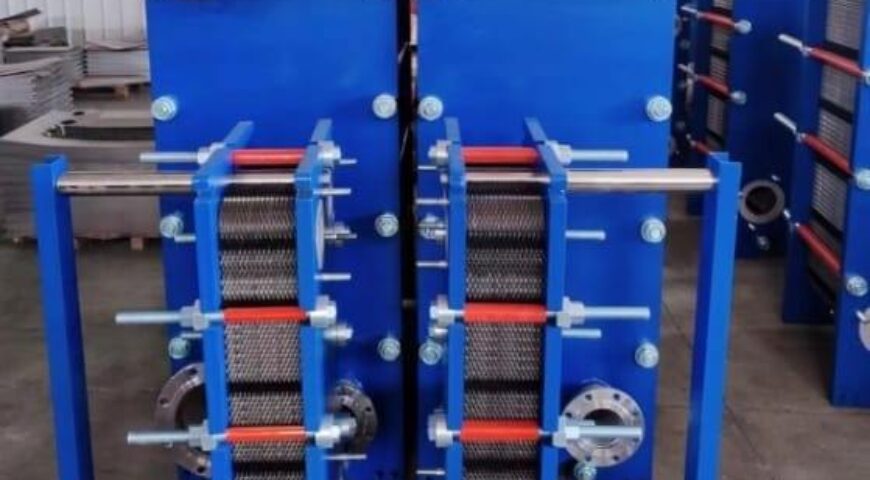
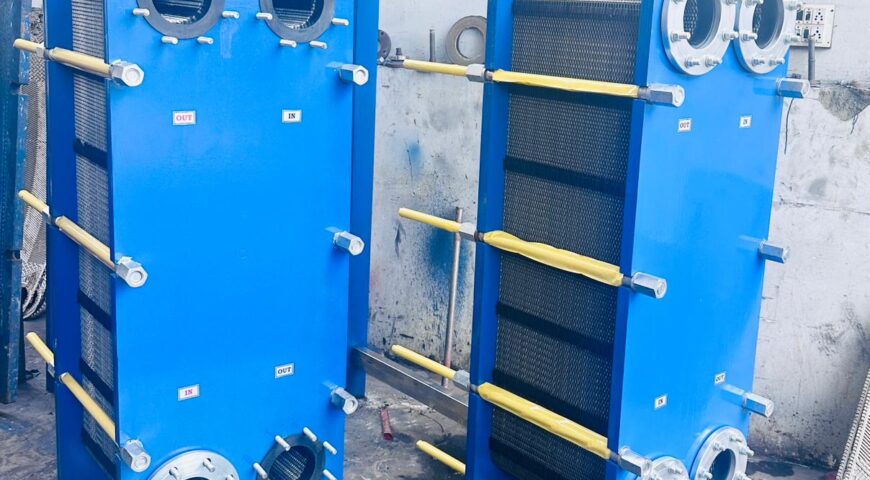
. Plate Heat Exchanger (PHE) A PHE consists of a series of thin, corrugated metal plates clamped together in a frame. Gaskets seal the plates and direct the fluids into alternating channels. Advantages: 2. Shell and Tube Heat Exchanger (STHE) A STHE consists of a bundle of tubes enclosed in a cylindrical shell. One fluid […]

Read more
Plate Heat Exchanger Manufacturer in South Sudan

Plate Heat Exchanger Manufacturer in South Sudan

Plate heat exchanger vs Shell and tube heat exchanger Feature Plate Heat Exchanger (PHE) Shell and Tube Heat Exchanger (STHE) Compactness & Space Very compact. High surface area to volume ratio. Saves significant space. Bulky and large. Requires more floor space and headroom. Heat Transfer Efficiency Very high. Turbulent flow at low Reynolds numbers ensures high heat transfer […]

Read more
Plate Heat Exchanger Manufacturer in South Africa

Plate Heat Exchanger Manufacturer in South Africa

Key Advantages of Titanium Plates Choose titanium plates when:

Read more
Plate Heat Exchanger Manufacturer in Nigeria

Plate Heat Exchanger Manufacturer in Nigeria

Titanium plates in a heat exchanger primarily when you need outstanding resistance to corrosion, especially from chlorides, seawater, and other aggressive media, and the cost is justified by the extended equipment life and reliability. The decision is rarely based on strength or weight, but almost exclusively on chemical compatibility. The Primary Reason: Chloride Resistance The single most common reason […]

Read more